Global Freight Rates Reach Peak Levels Amid Middle East Conflict and Strait of Hormuz Tensions
Published: 30 July, 2026
Update
July 30, 2026
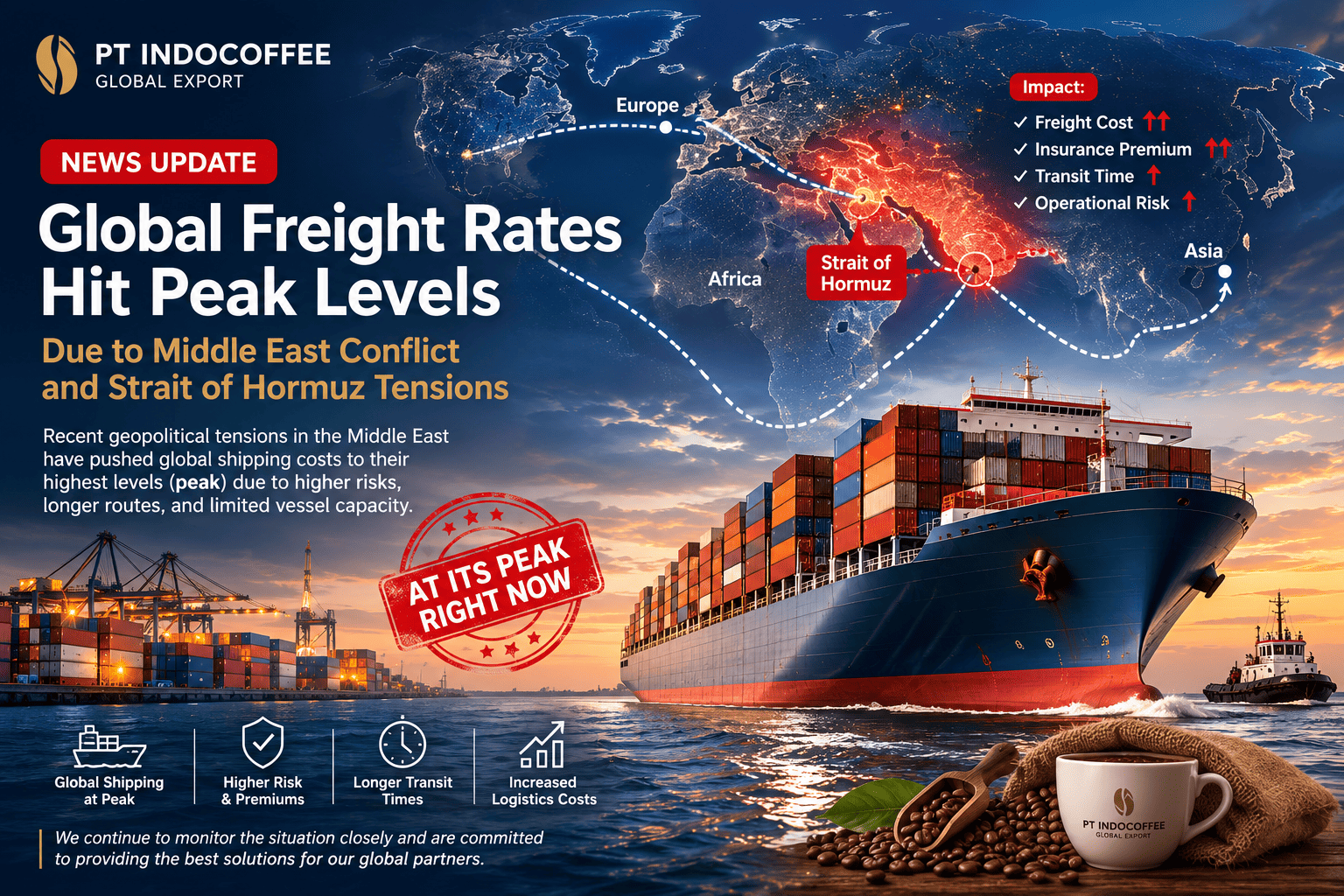
Global ocean freight costs have surged to their highest levels in recent months as escalating geopolitical tensions in the Middle East continue to disrupt international shipping. Concerns surrounding the security of the Strait of Hormuz, combined with ongoing regional instability, have led to significant increases in freight rates, war-risk insurance premiums, and shipping-related expenses.
Many shipping lines have implemented emergency surcharges, while insurers have raised premiums for vessels operating in or near high-risk areas. As a result, exporters and importers worldwide are facing substantially higher logistics costs compared to normal market conditions.
The market is currently experiencing what many industry participants describe as the peak of the latest freight rate increase, driven by limited vessel capacity, longer sailing routes, increased operational costs, and continued uncertainty over regional security. The duration of these elevated freight levels will largely depend on future geopolitical developments and the stability of international shipping routes.
For Indonesian exporters, including coffee, cocoa, and other agricultural commodities, the impact is becoming increasingly visible. Shipments to Europe, the Middle East, and parts of Africa may incur higher transportation costs and longer delivery lead times.
PT Indocoffee Global Export is closely monitoring global logistics developments and continues to work with trusted shipping partners to secure the most efficient and competitive freight solutions available. We also encourage our international buyers to confirm orders as early as possible to minimize the impact of ongoing freight volatility.
Despite the challenging logistics environment, PT Indocoffee Global Export remains committed to ensuring reliable exports, transparent communication, and timely delivery for customers around the world.
Global ocean freight costs have surged to their highest levels in recent months as escalating geopolitical tensions in the Middle East continue to disrupt international shipping. Concerns surrounding the security of the Strait of Hormuz, combined with ongoing regional instability, have led to significant increases in freight rates, war-risk insurance premiums, and shipping-related expenses.
Many shipping lines have implemented emergency surcharges, while insurers have raised premiums for vessels operating in or near high-risk areas. As a result, exporters and importers worldwide are facing substantially higher logistics costs compared to normal market conditions.
The market is currently experiencing what many industry participants describe as the peak of the latest freight rate increase, driven by limited vessel capacity, longer sailing routes, increased operational costs, and continued uncertainty over regional security. The duration of these elevated freight levels will largely depend on future geopolitical developments and the stability of international shipping routes.
For Indonesian exporters, including coffee, cocoa, and other agricultural commodities, the impact is becoming increasingly visible. Shipments to Europe, the Middle East, and parts of Africa may incur higher transportation costs and longer delivery lead times.
PT Indocoffee Global Export is closely monitoring global logistics developments and continues to work with trusted shipping partners to secure the most efficient and competitive freight solutions available. We also encourage our international buyers to confirm orders as early as possible to minimize the impact of ongoing freight volatility.
Despite the challenging logistics environment, PT Indocoffee Global Export remains committed to ensuring reliable exports, transparent communication, and timely delivery for customers around the world.